10 Powerful Latin Quotes and What They Really Mean
Latin was the language of command for over a thousand years, and its hardest lines still land. These are powerful Latin quotes with their real translations, and the real story behind each one: who said it, when, and what they actually meant by it.
Veni, vidi, vici.
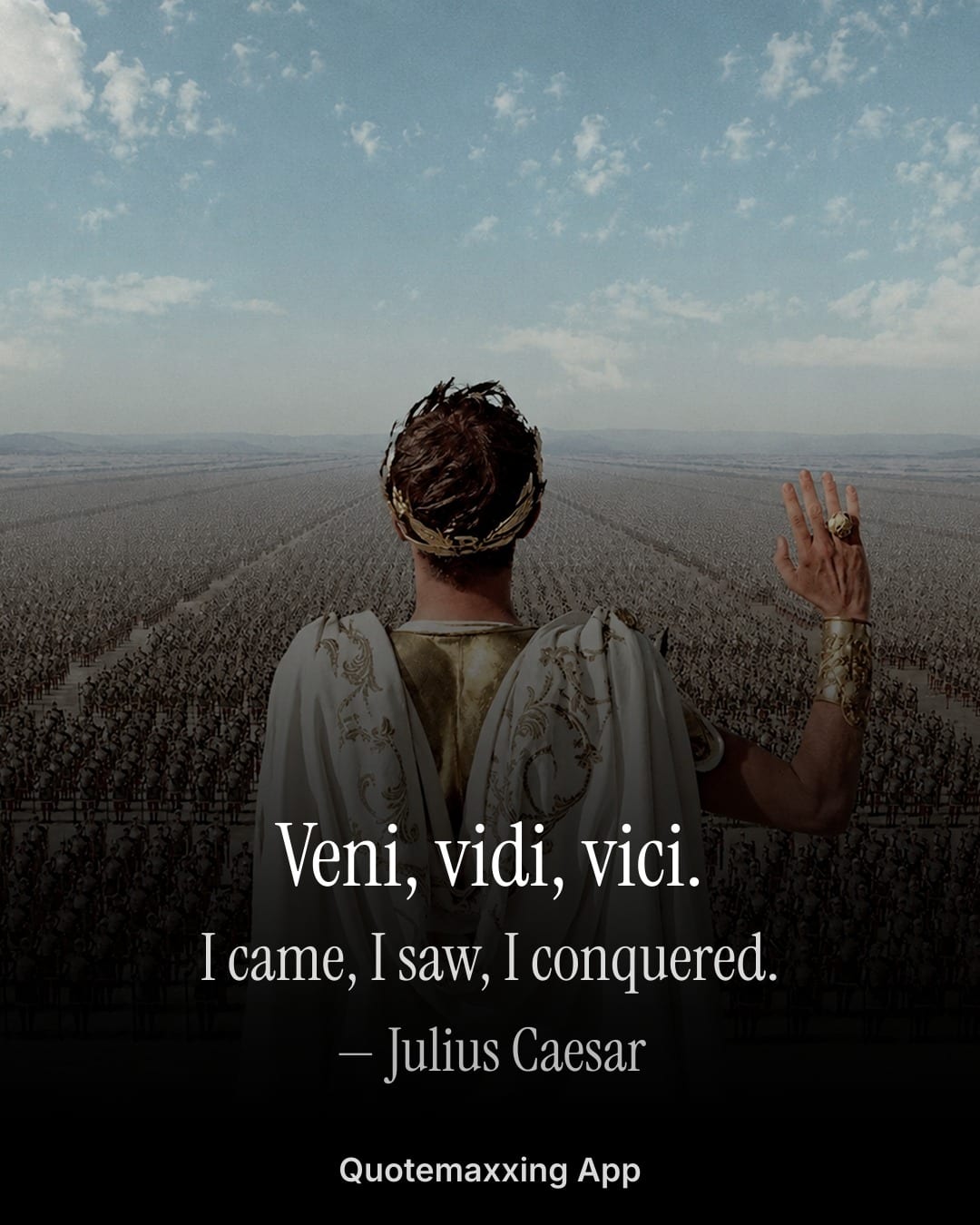
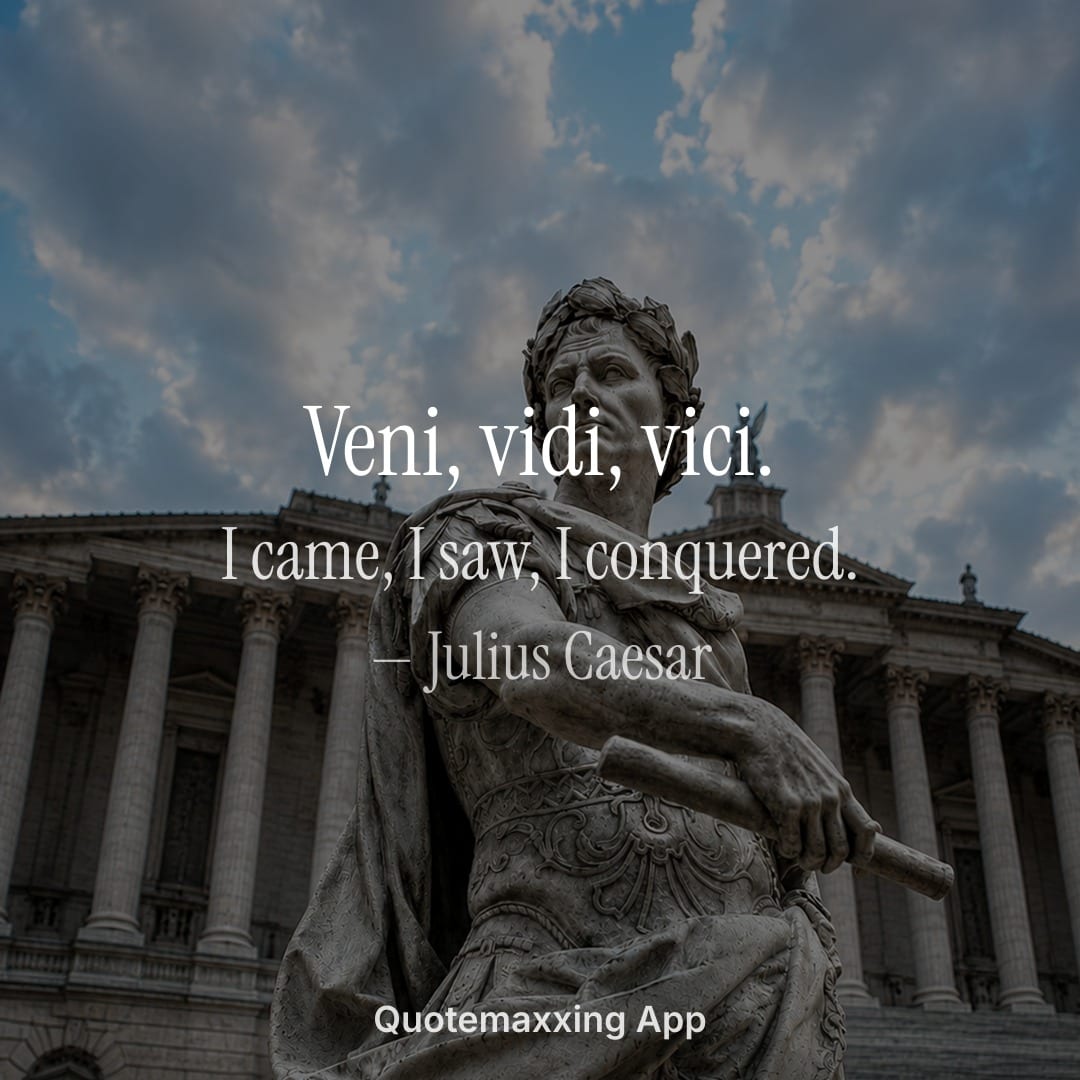
I came, I saw, I conquered.
Caesar sent these three words to the Roman Senate in 47 BC after crushing Pharnaces II of Pontus at Zela in a campaign that lasted days. Plutarch and Suetonius both record the line. Its force is in the compression: three verbs, one ending, total victory made to sound effortless.
Oderint dum metuant.
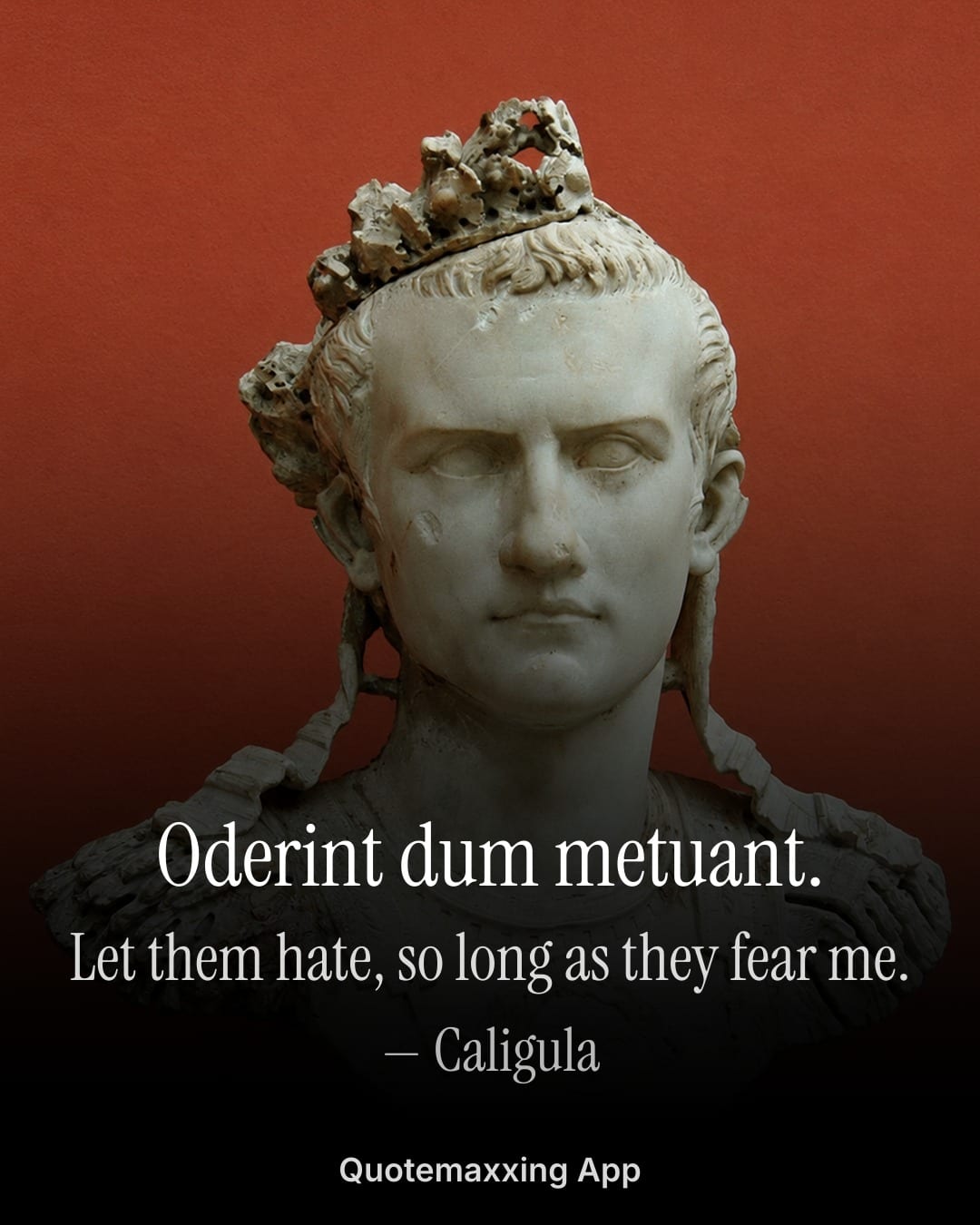
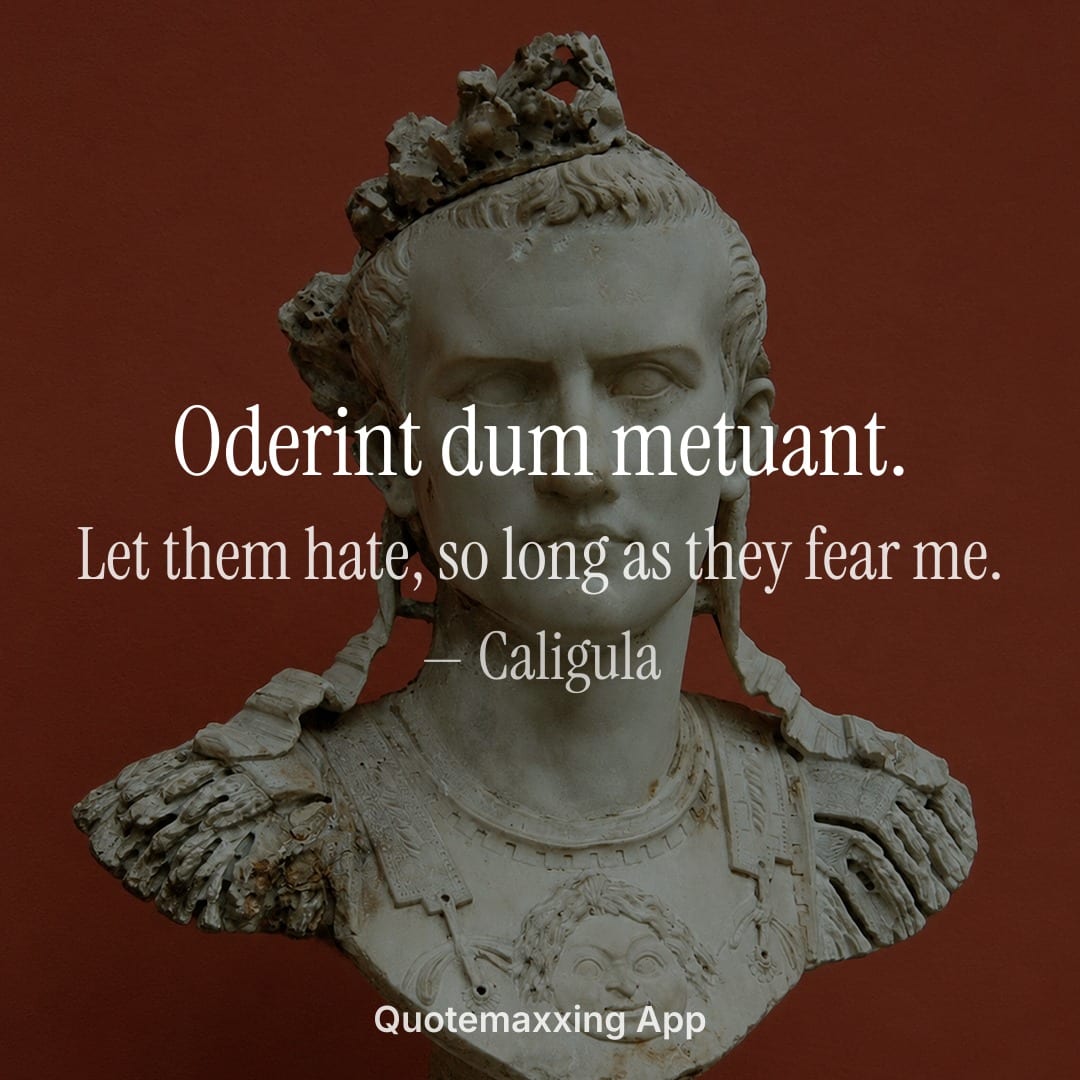
Let them hate, so long as they fear me.
The line was written by the Roman playwright Accius, but the emperor Caligula made it his own, repeating it to excuse his cruelty (Suetonius, Life of Caligula). It is rule by fear reduced to four words, and Caligula meant every one of them.
Ex duris gloria.
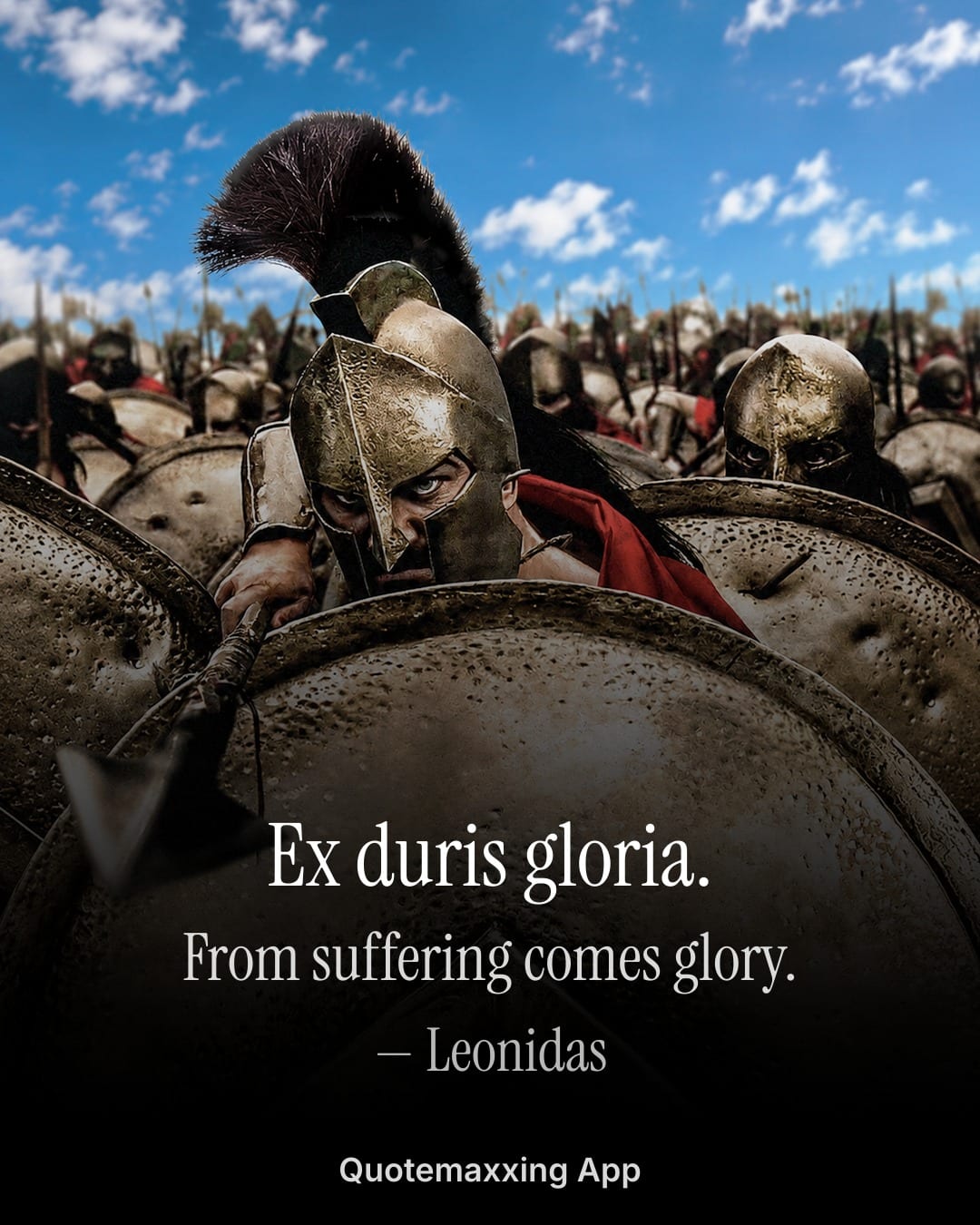
From suffering comes glory.
A Latin motto soldiers and schools have carried for centuries: glory is not handed to you, it is dragged out of hardship. It is the spirit of the 300 who held the pass at Thermopylae, that what breaks most men is the exact thing that forges the few.
Vae victis.
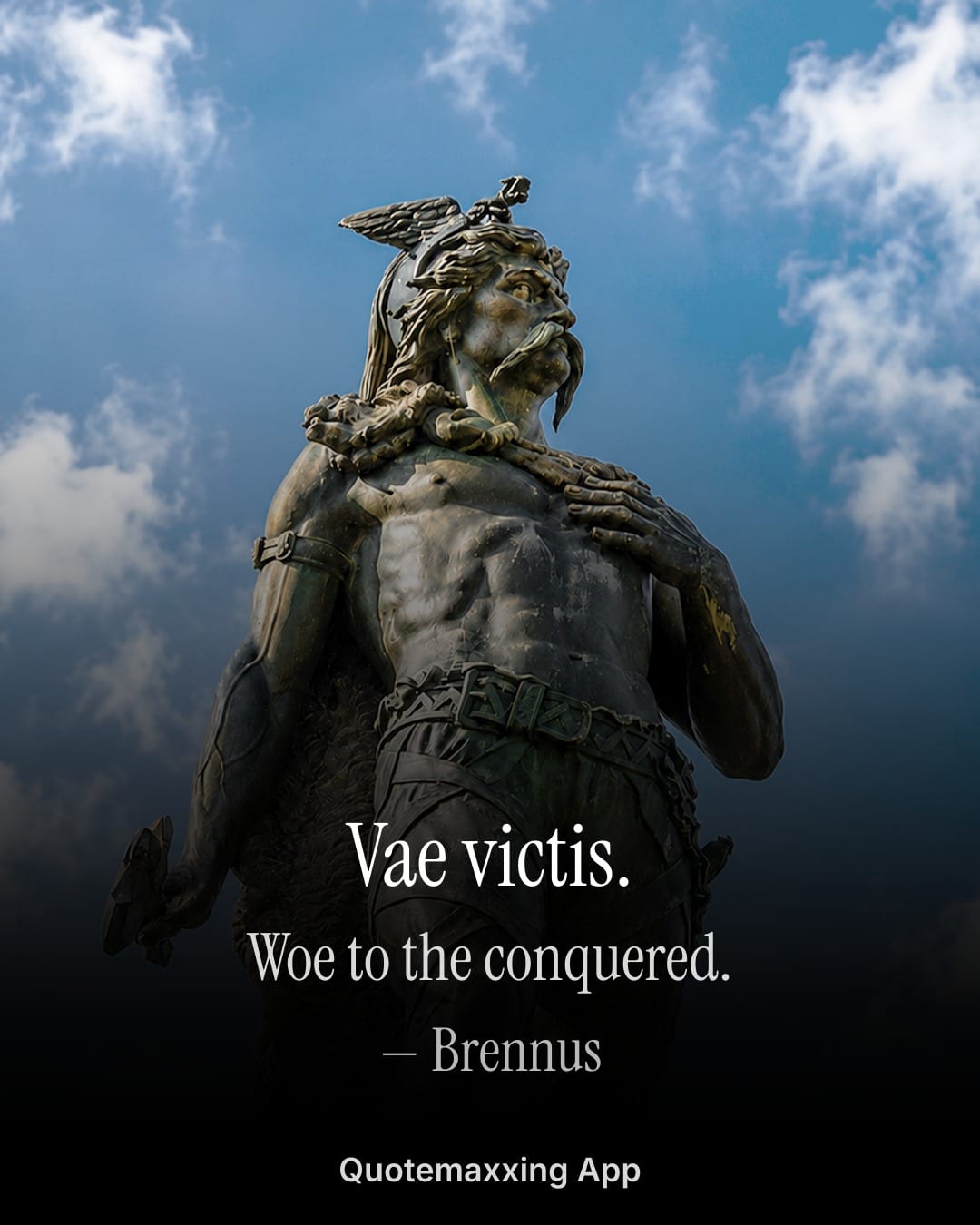
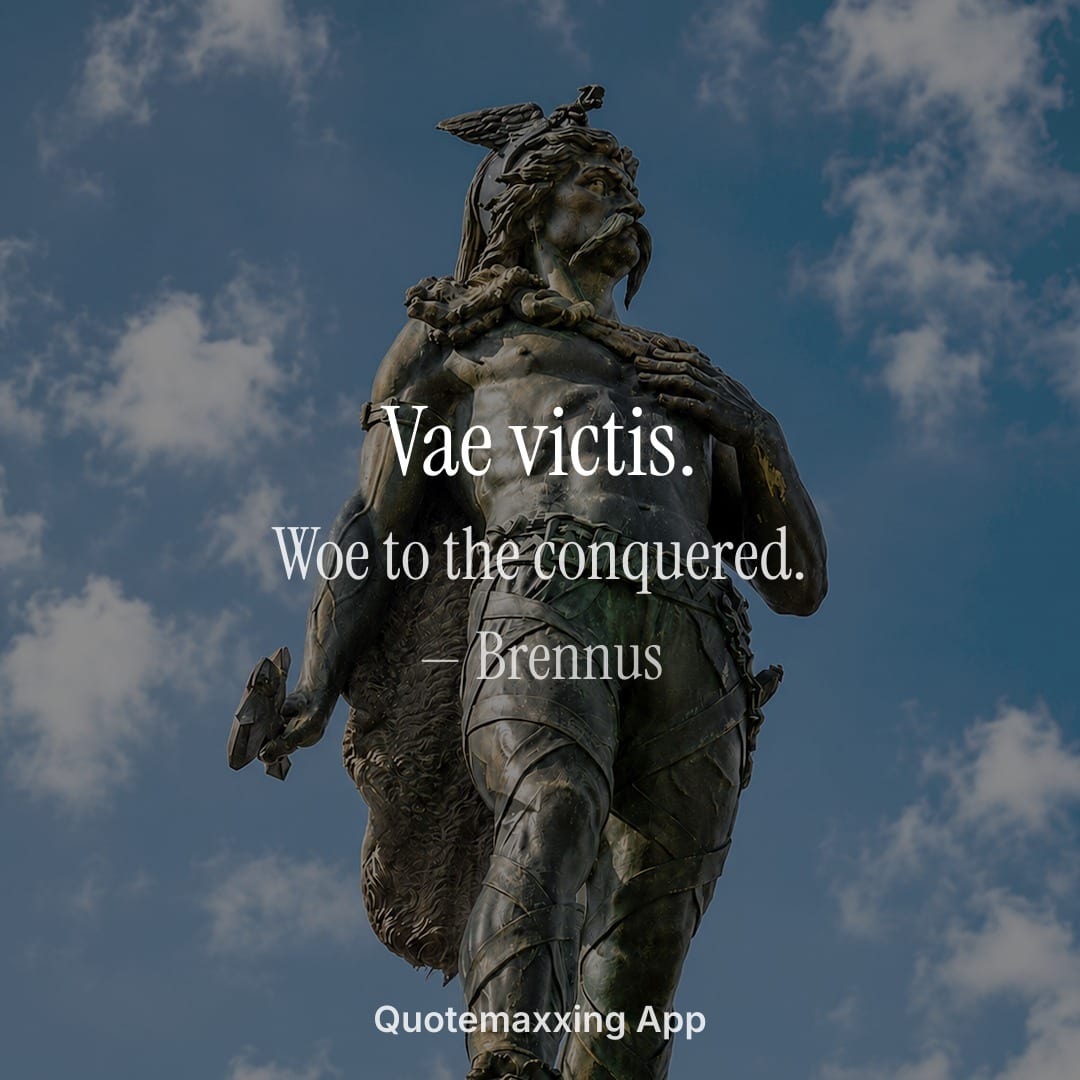
Woe to the conquered.
When the Gaul Brennus sacked Rome in 390 BC and the Romans accused him of rigging the ransom scales, he threw his sword onto the weights and said it. Livy records the scene. The defeated do not get terms, they get whatever the victor decides.
In hoc signo vinces.
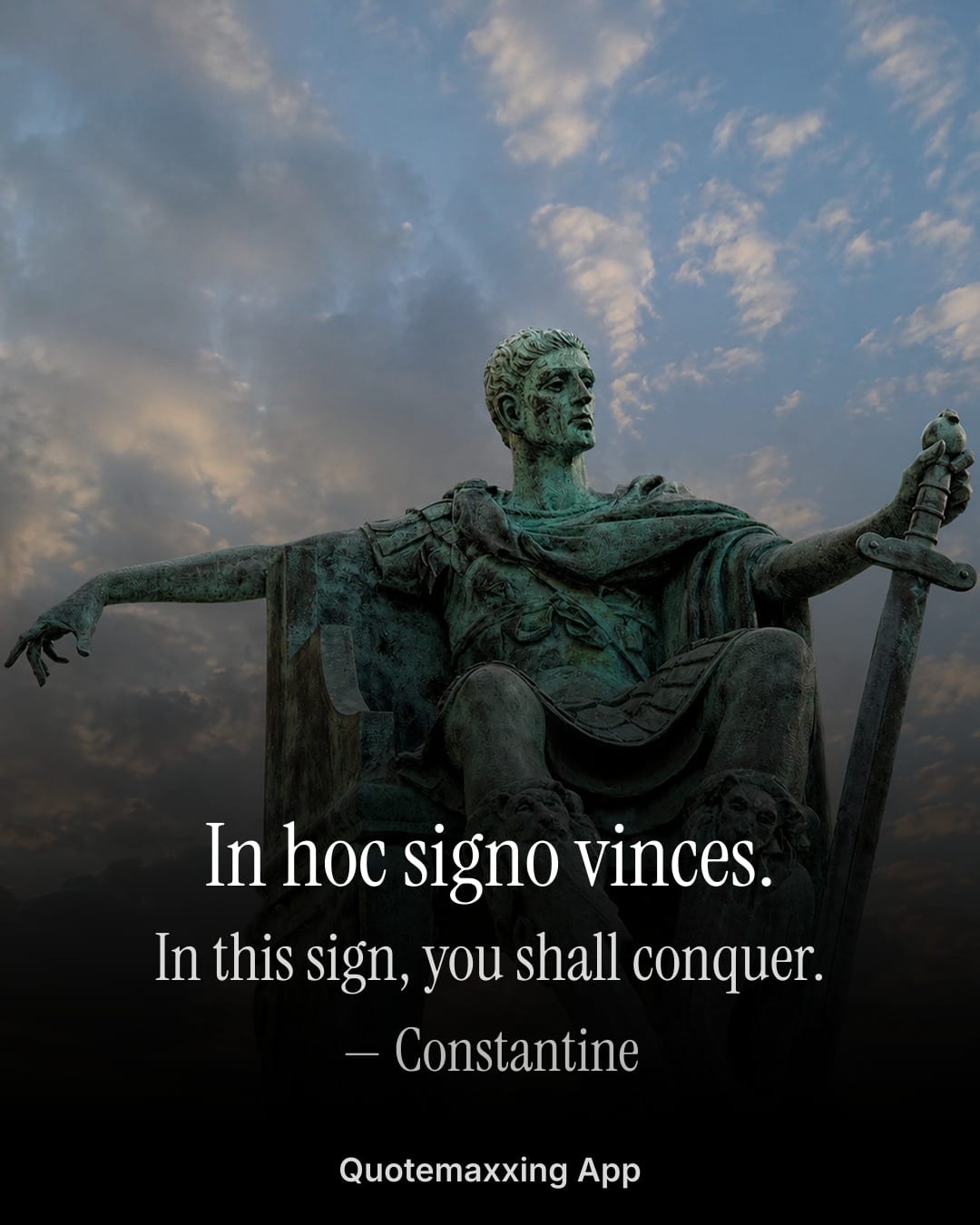
In this sign, you shall conquer.
On the eve of the Battle of the Milvian Bridge in 312 AD, Constantine is said to have seen a cross of light above the sun carrying these words. He fought under the new sign, took the Western Empire, and turned Rome toward Christianity. The account comes from Eusebius and Lactantius.
Non ducor, duco.
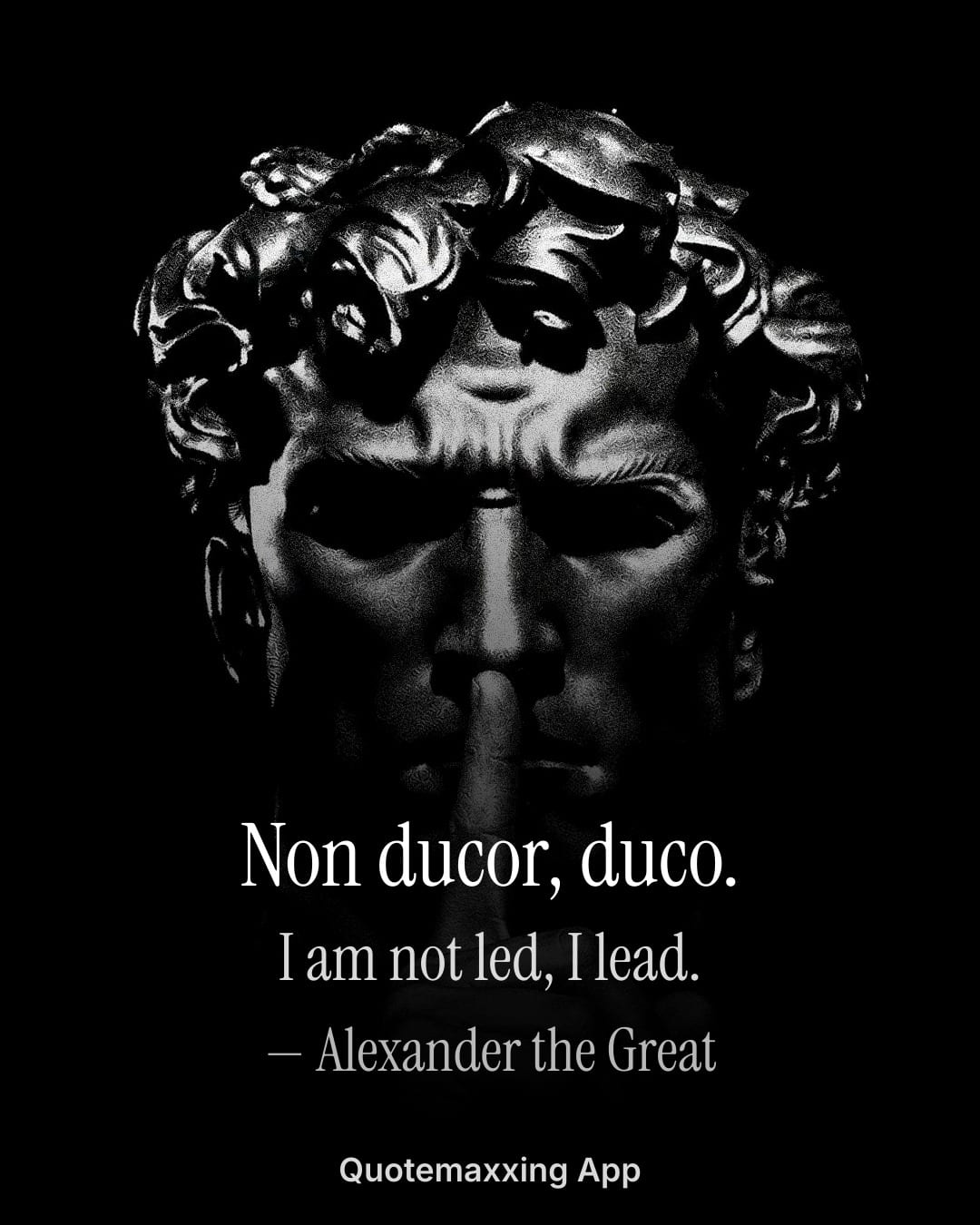
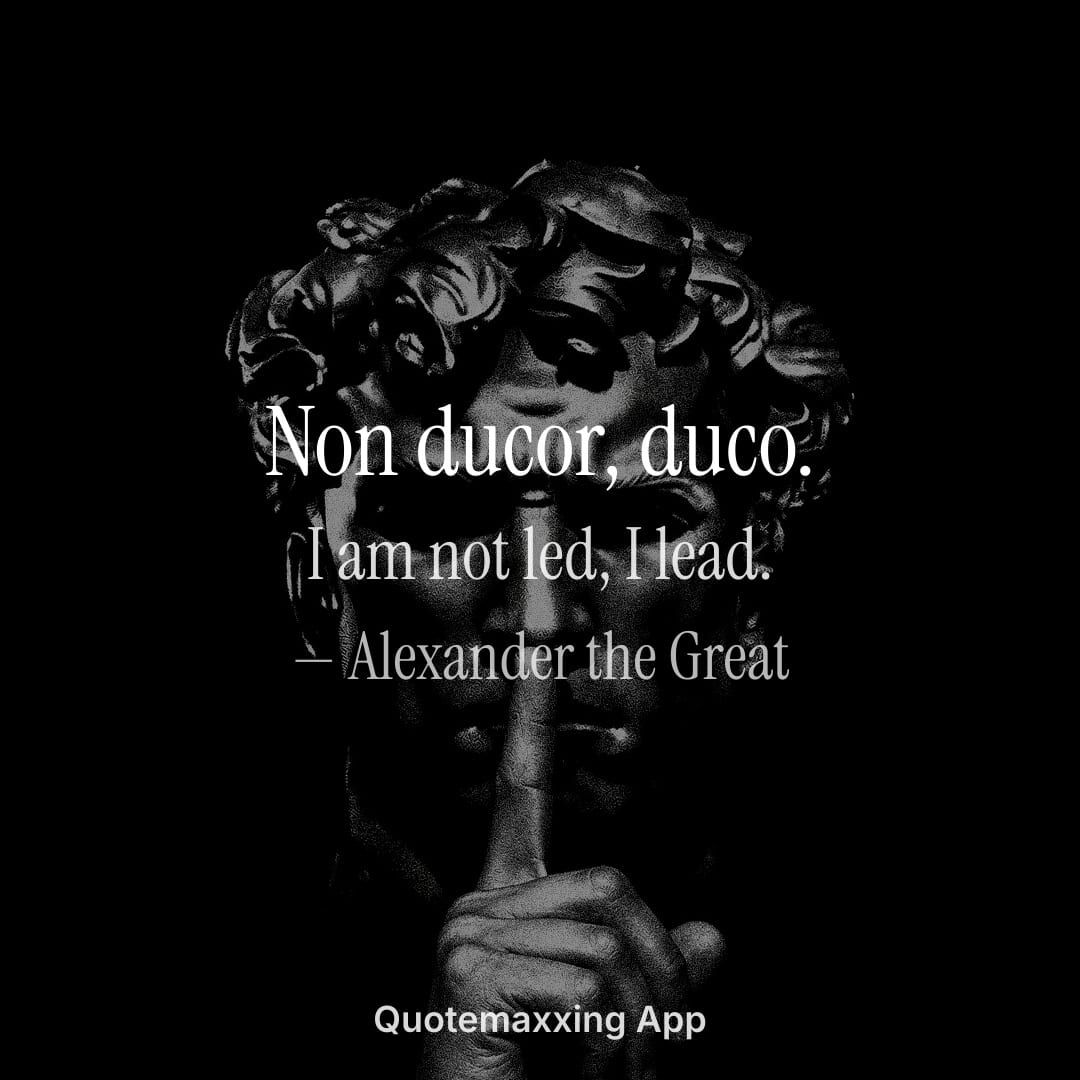
I am not led, I lead.
The whole distance between a follower and a force, in four syllables: I am not led, I lead. It is the posture of the commanders who rode at the front of the charge instead of behind it, Alexander among them, who never sent his men anywhere he would not go first.
Dum spiro spero.
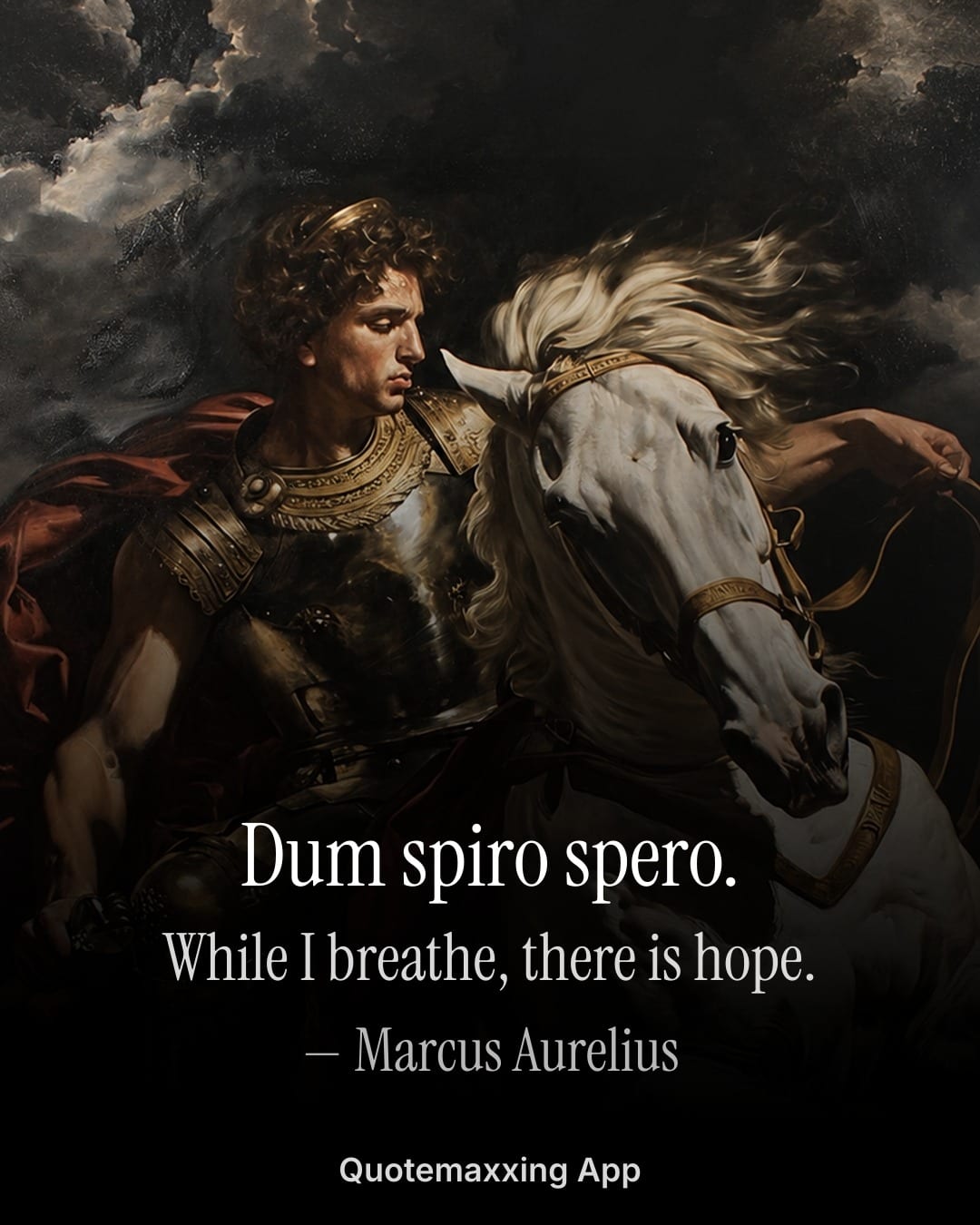
While I breathe, there is hope.
An old Roman line of defiance that outlived the empire that spoke it: while there is breath, there is hope. It is Stoicism stripped to the bone, the refusal to hand over your future while there is still air in your lungs, the discipline Marcus Aurelius spent the Meditations trying to keep.
Faciam quodlibet quod necesse est.
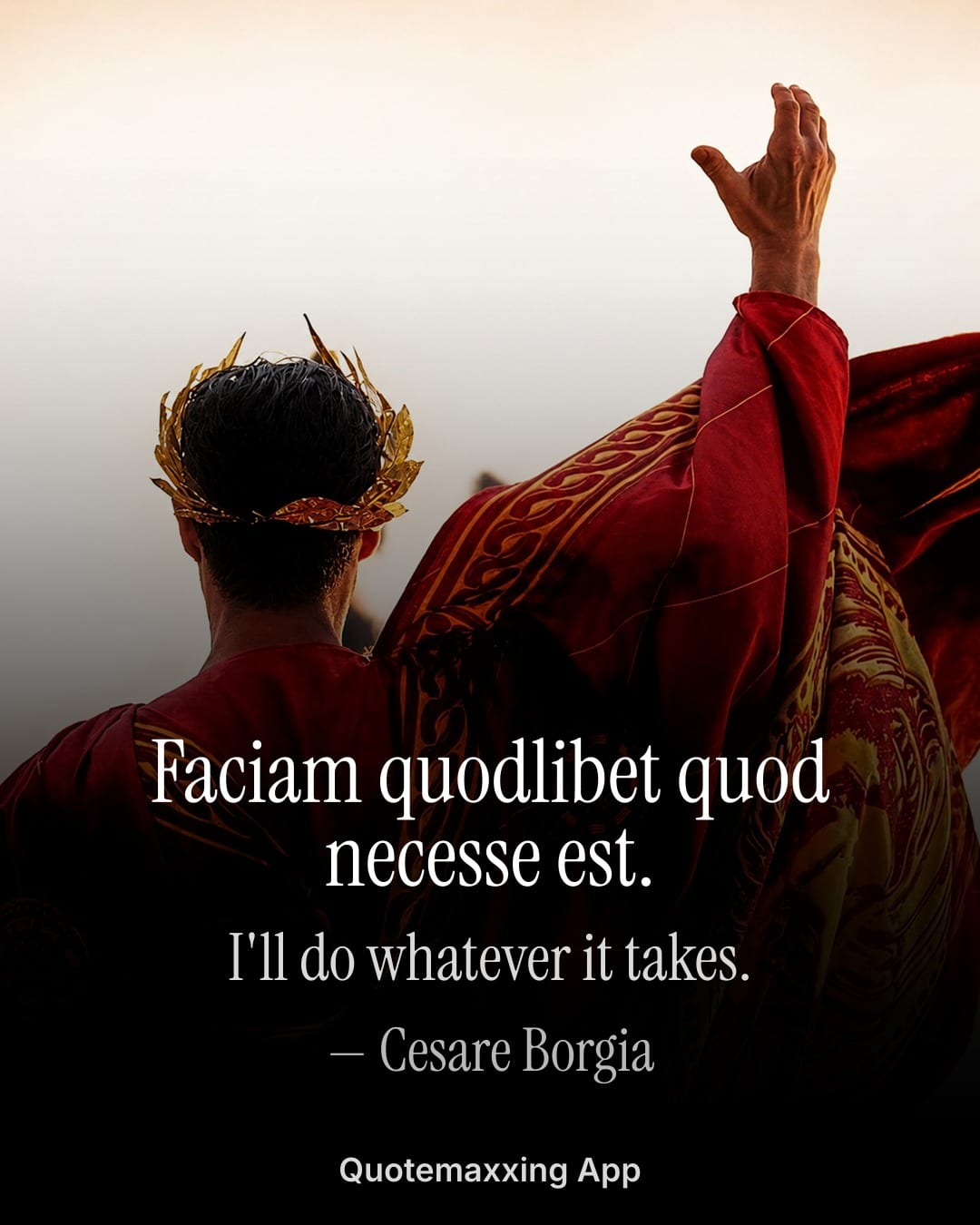
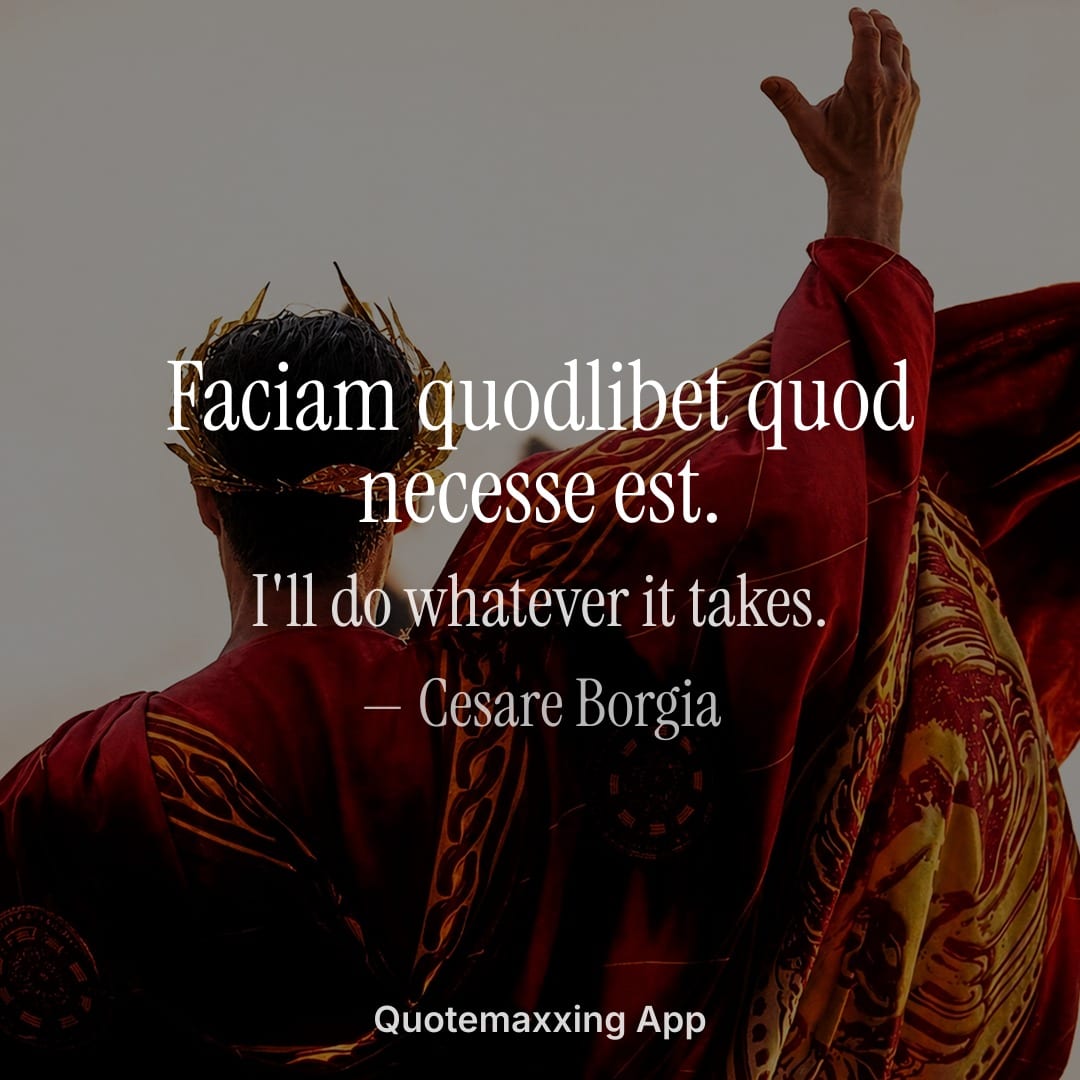
I'll do whatever it takes.
The entire logic of ruthless ambition in one line: I will do whatever it takes. It is the creed Machiavelli watched Cesare Borgia live by, the prince who would wear any mask and break any promise the moment it stopped being useful to him.
Fortes fortuna adiuvat.
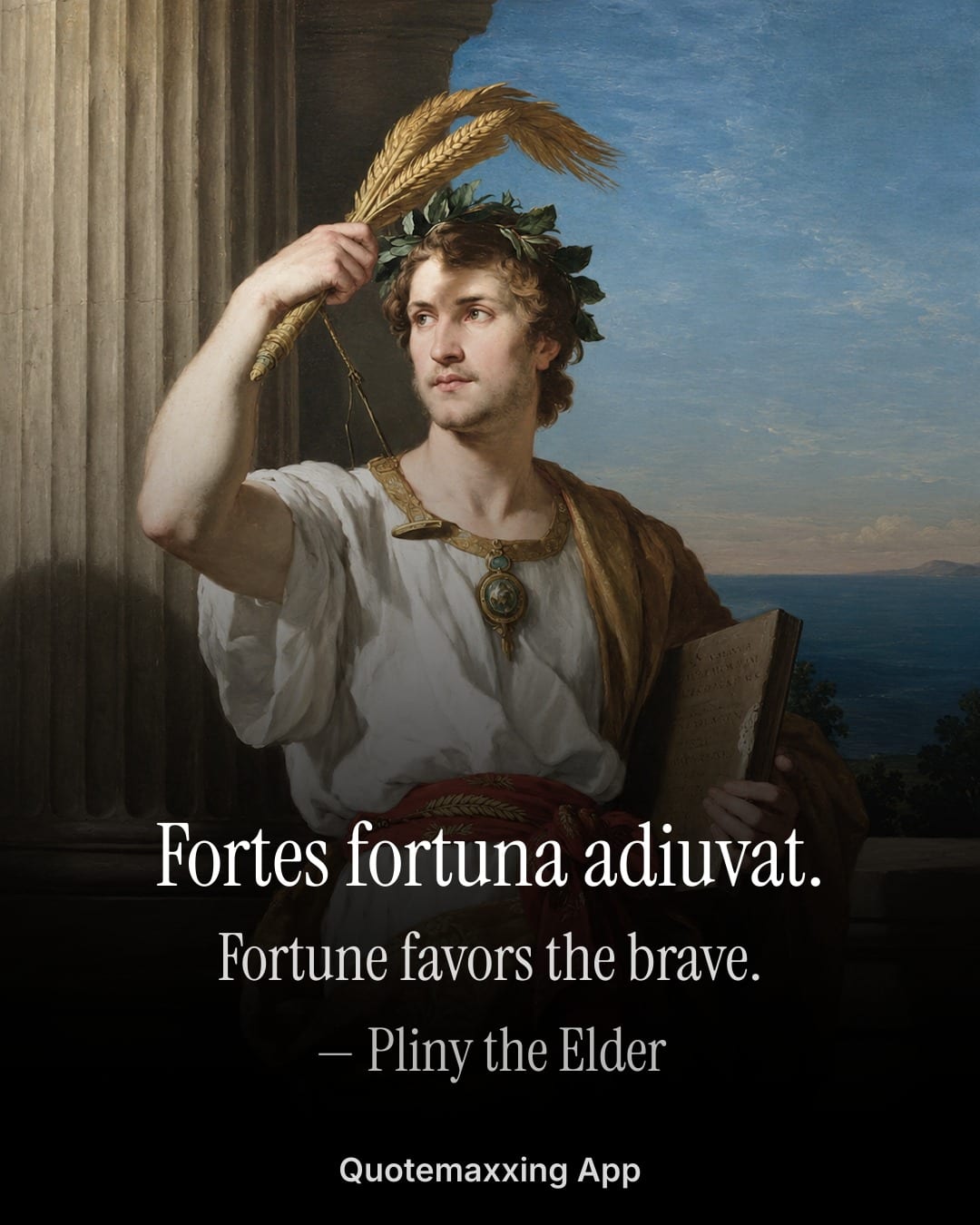
Fortune favors the brave.
The proverb predates the empire (Terence used it in the 2nd century BC), but it belongs to Pliny the Elder for how he spent it. In 79 AD he steered his fleet toward the erupting Vesuvius to reach people trapped on the shore, reportedly saying these words while others fled. He died there. His nephew, Pliny the Younger, recorded it.
Flectere si nequeo superos, Acheronta movebo.
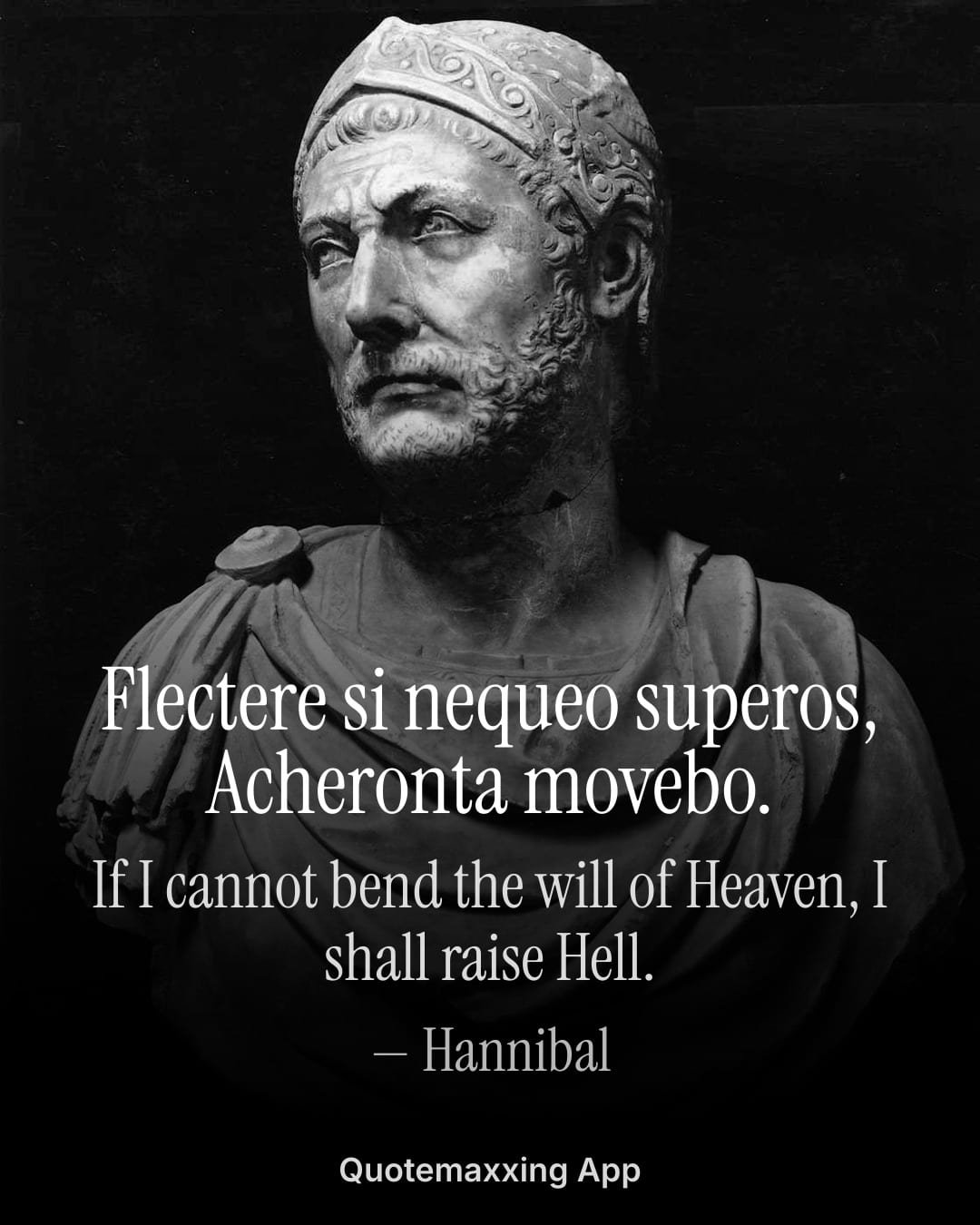
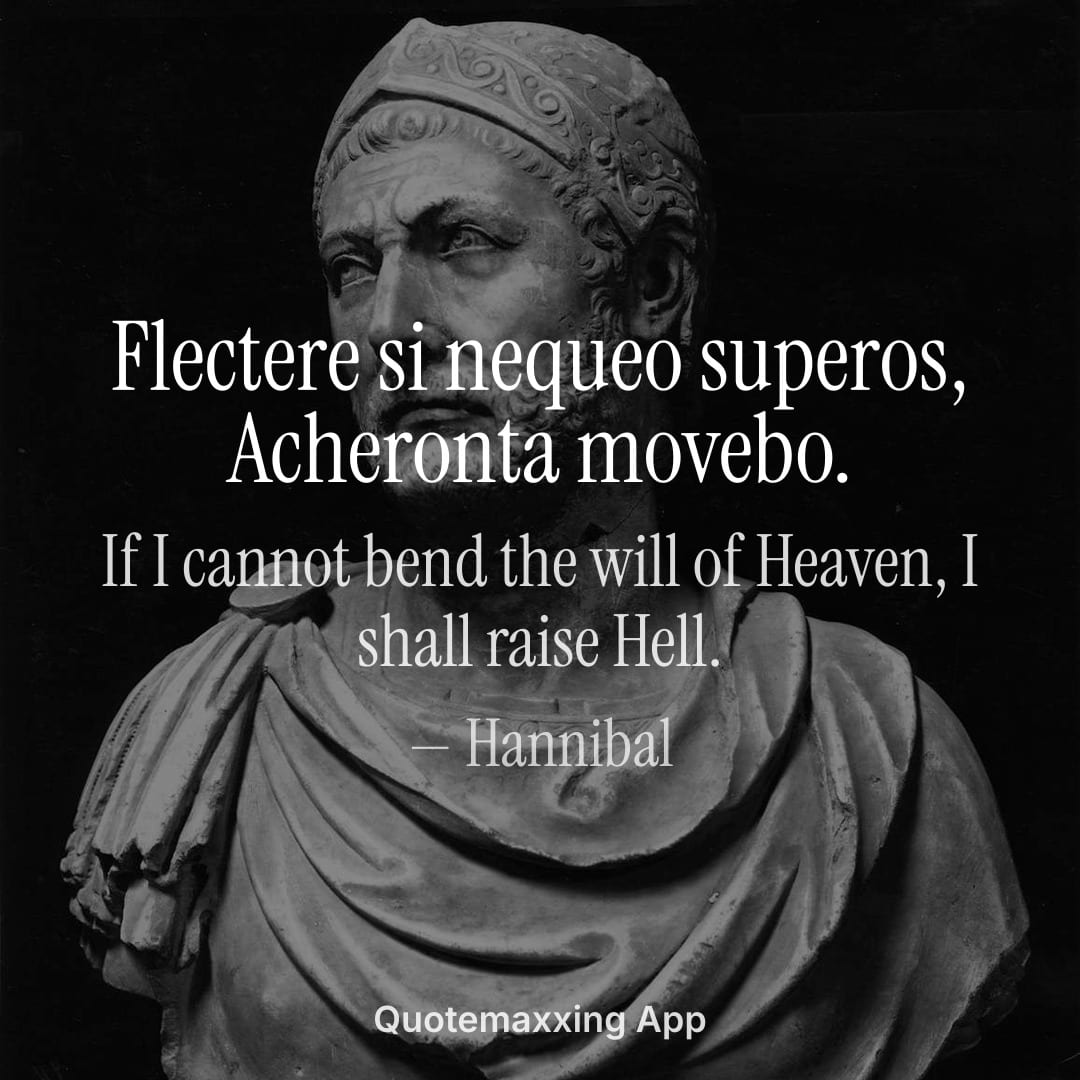
If I cannot bend the will of Heaven, I shall raise Hell.
The vow of a man told no by the heavens who answers anyway: if I cannot bend the gods above, I will move Hell itself. It is Hannibal marching war elephants over the Alps because it was supposed to be impossible, taking the impossible road precisely because no one believed he could.


Start quotemaxxing today
Ten quotes a day from history’s greatest minds, with notifications and home screen widgets. Free on iPhone.
Download on the App Store